What Are Low VOC Paints and Why Are They Important for Healthier Homes?

What Are Low VOC Paints and Why Are They Important for Healthier Homes?

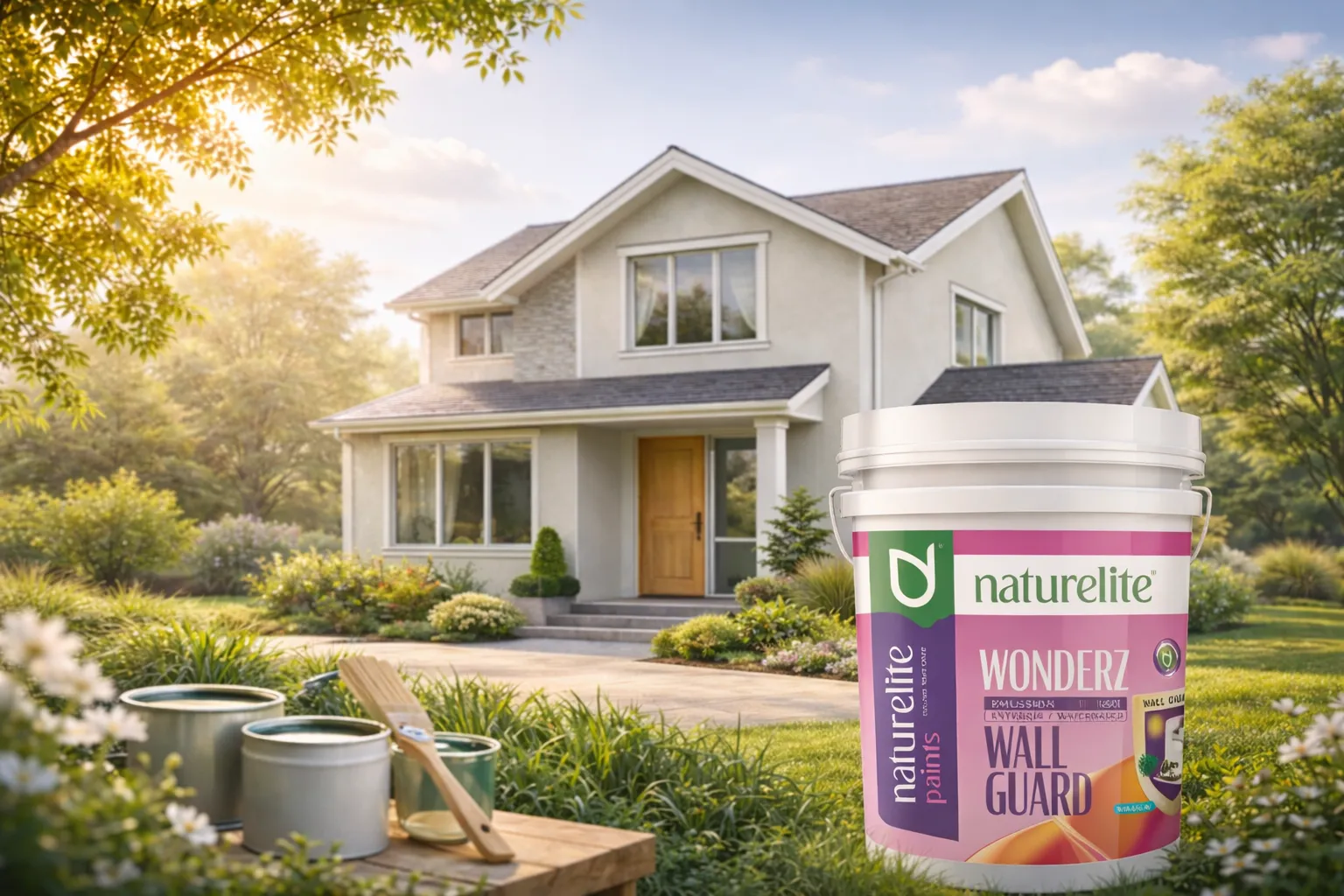
Indoor air quality has become one of the most important factors influencing modern building design. While homeowners often focus on furniture, ventilation, and cleanliness, one significant contributor to indoor air pollution is often overlooked—paint.

Traditional paints contain Volatile Organic Compounds (VOCs), which are chemicals released into the air during and after the painting process. These compounds can contribute to headaches, respiratory irritation, allergic reactions, and poor indoor air quality.

Low VOC paints are specially formulated to minimize these emissions while maintaining excellent durability, coverage, and finish quality.

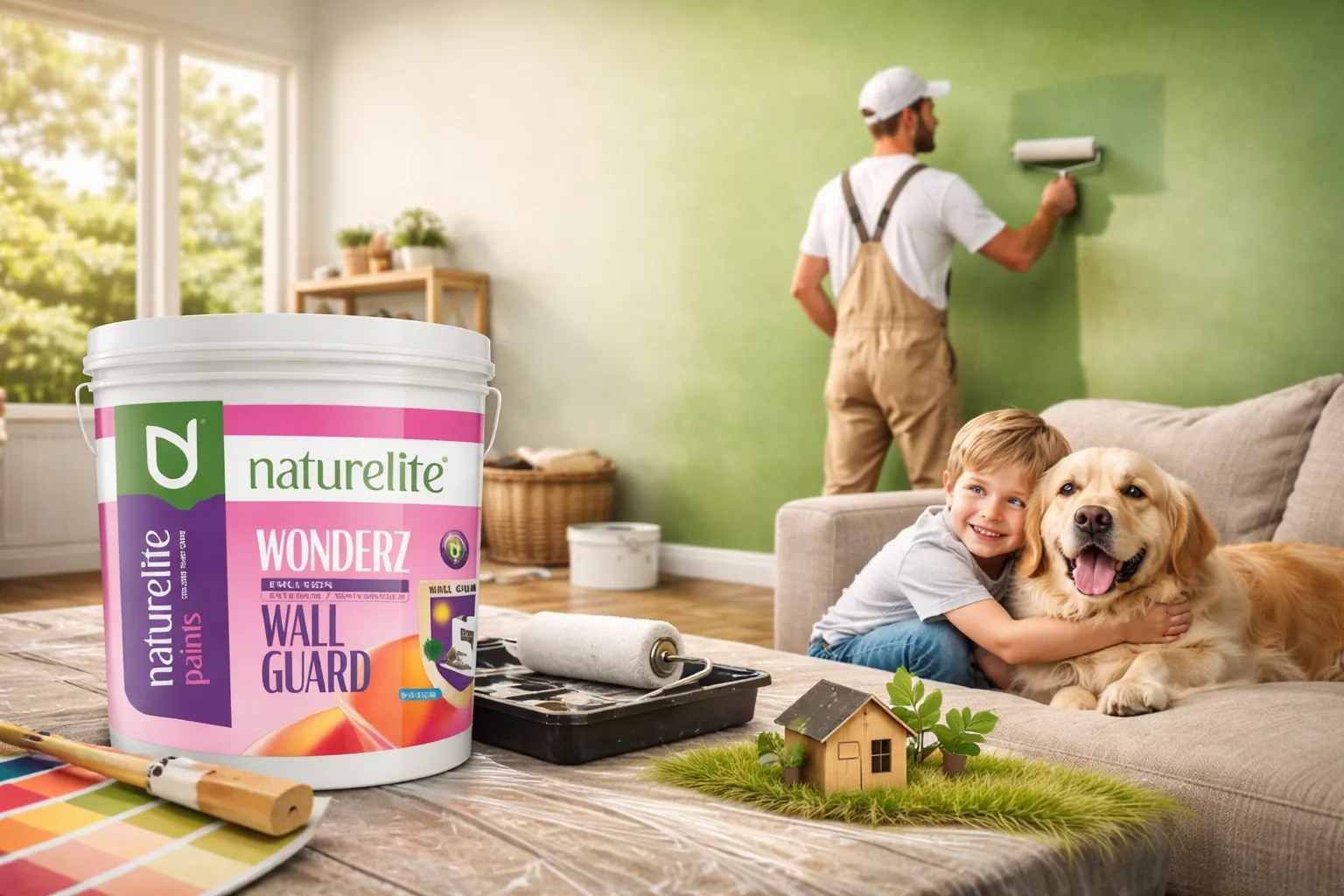
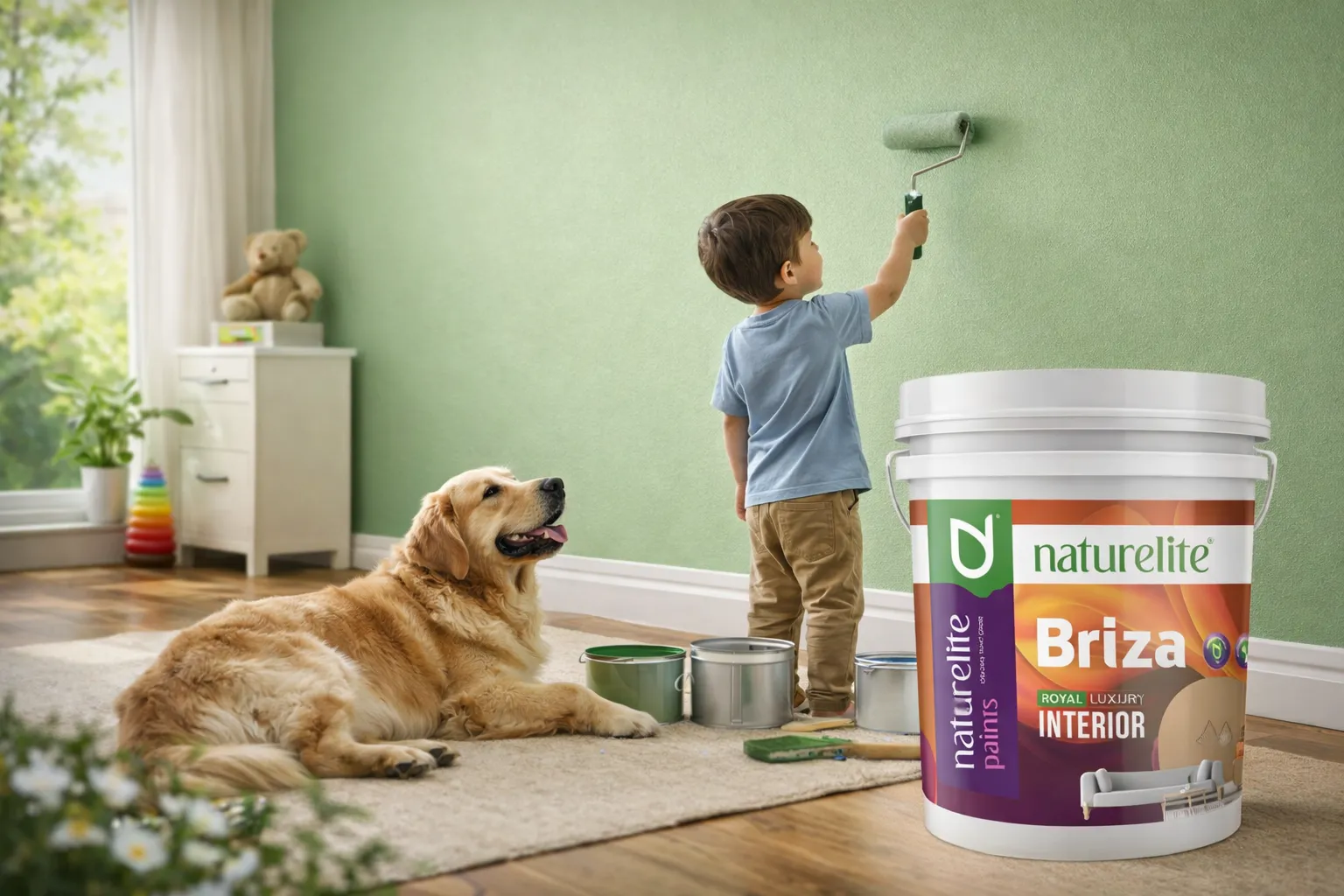
One of the primary advantages of low VOC paints is improved indoor air quality. Families spend a significant amount of time indoors, making it essential to create a healthier environment free from unnecessary pollutants.

Low VOC paints are particularly beneficial for:

  • Children
  • Elderly individuals
  • People with asthma
  • Allergy sufferers
  • Healthcare facilities
  • Educational institutions

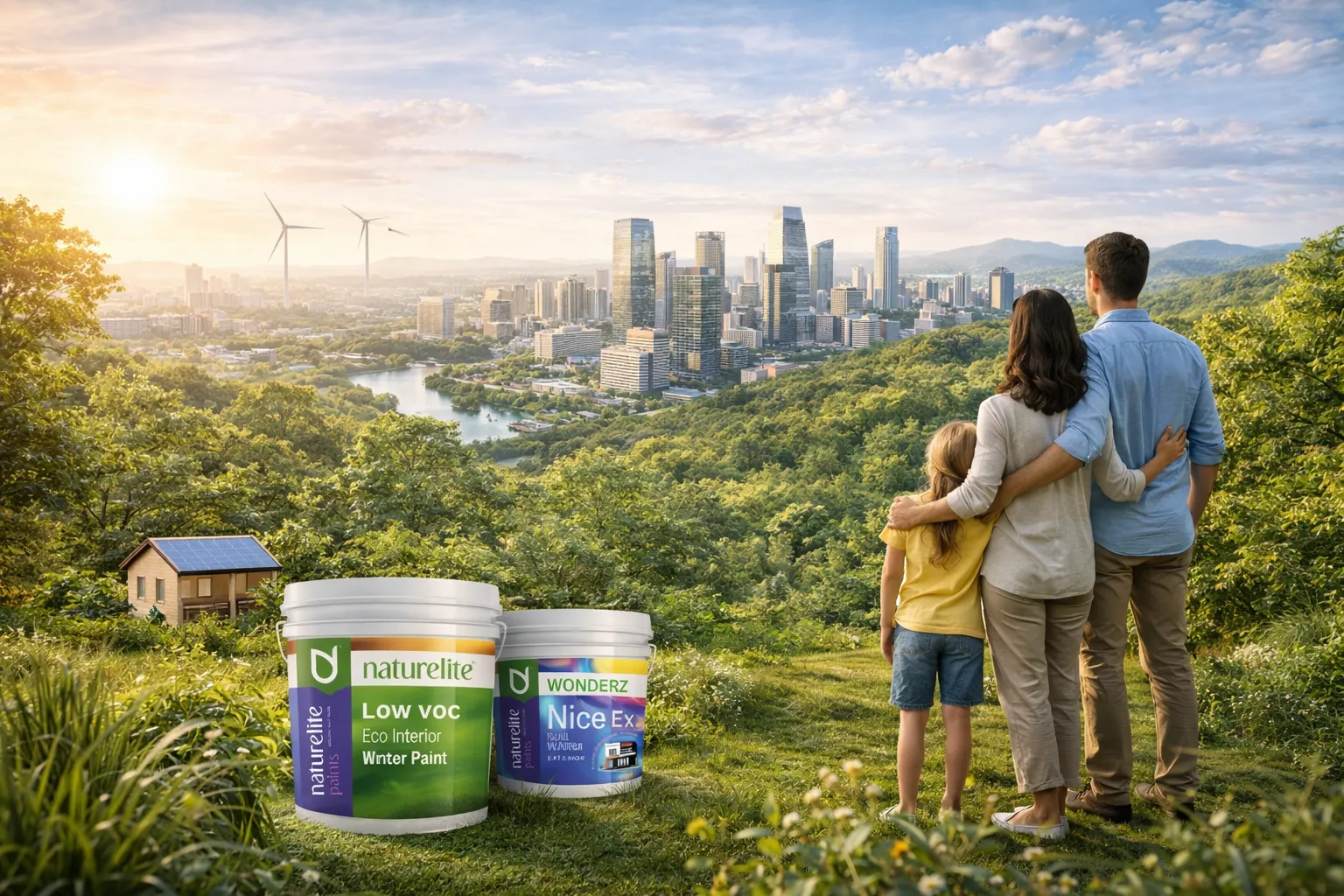
In addition to health benefits, low VOC paints support environmental sustainability. By reducing harmful emissions released into the atmosphere, these paints contribute to lower environmental impact and support green building initiatives.

Modern low VOC paint technologies provide excellent:

  • Washability
  • Stain resistance
  • Color retention
  • Durability
  • Surface protection

Many architects and builders now specify low VOC paints as part of sustainable building projects because they align with modern environmental standards and occupant wellness goals.

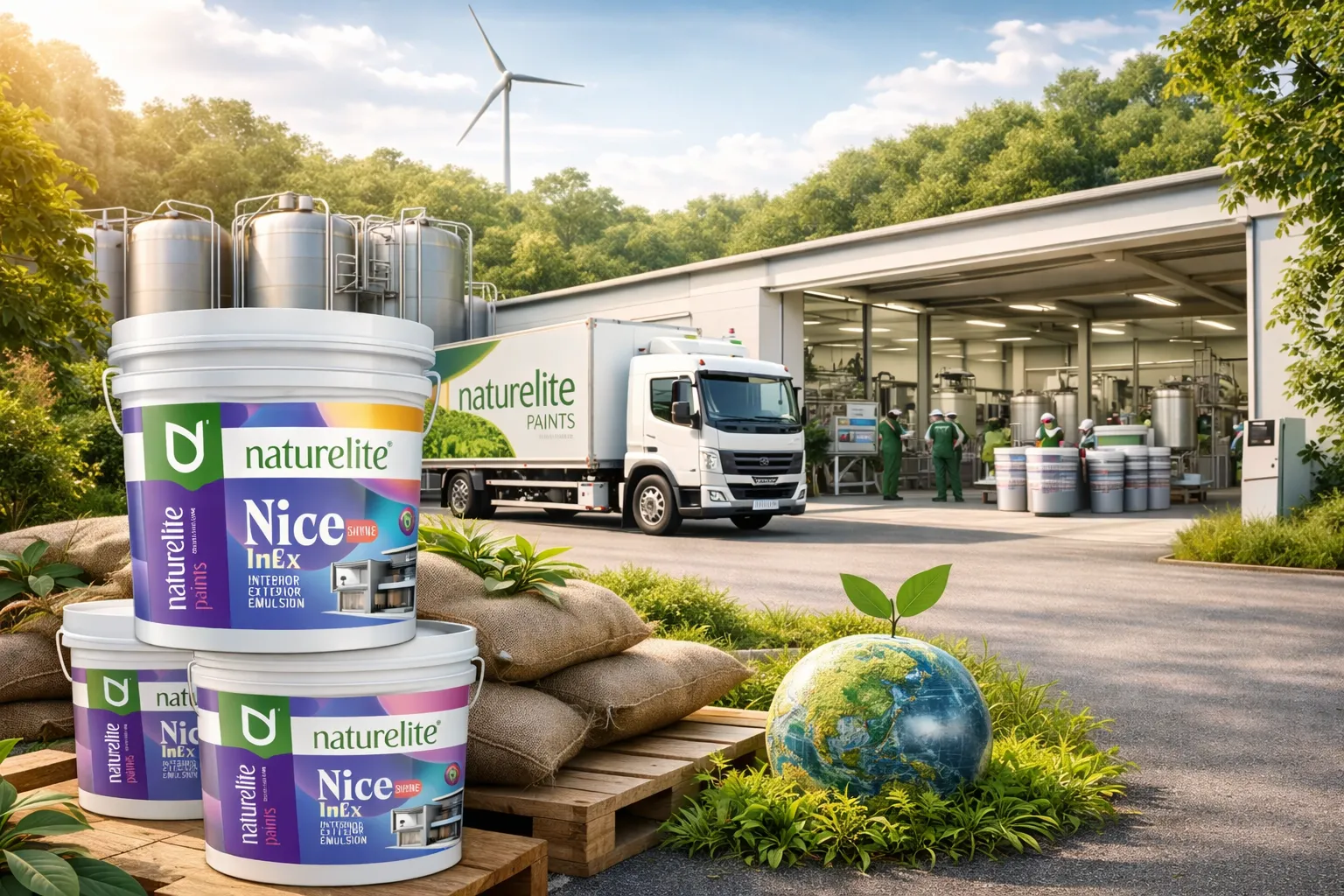
Naturelite Paints focuses on environmentally responsible coating technologies designed to provide superior performance while supporting healthier indoor environments.

Choosing low VOC paints is not just a design decision; it is an investment in long-term health, comfort, and sustainability.

Explore More Insights

What Are Low VOC Paints and Why Are They Important for Healthier Homes?

What Are Low VOC Paints and Why Are They Important for Healthier Homes?

Indoor air quality has become one of the most important factors influencing modern building design. While homeowners often focus on furniture, ventilation, and cleanliness, one significant contributor to indoor air pollution is often overlooked—paint.

Traditional paints contain Volatile Organic Compounds (VOCs), which are chemicals released into the air during and after the painting process. These compounds can contribute to headaches, respiratory irritation, allergic reactions, and poor indoor air quality.

Low VOC paints are specially formulated to minimize these emissions while maintaining excellent durability, coverage, and finish quality.

One of the primary advantages of low VOC paints is improved indoor air quality. Families spend a significant amount of time indoors, making it essential to create a healthier environment free from unnecessary pollutants.

Low VOC paints are particularly beneficial for:

  • Children
  • Elderly individuals
  • People with asthma
  • Allergy sufferers
  • Healthcare facilities
  • Educational institutions

In addition to health benefits, low VOC paints support environmental sustainability. By reducing harmful emissions released into the atmosphere, these paints contribute to lower environmental impact and support green building initiatives.

Modern low VOC paint technologies provide excellent:

  • Washability
  • Stain resistance
  • Color retention
  • Durability
  • Surface protection

Many architects and builders now specify low VOC paints as part of sustainable building projects because they align with modern environmental standards and occupant wellness goals.

Naturelite Paints focuses on environmentally responsible coating technologies designed to provide superior performance while supporting healthier indoor environments.

Choosing low VOC paints is not just a design decision; it is an investment in long-term health, comfort, and sustainability.

Read Article
Best Exterior Paints for Kerala Climate: Complete Guide

Best Exterior Paints for Kerala Climate: Complete Guide

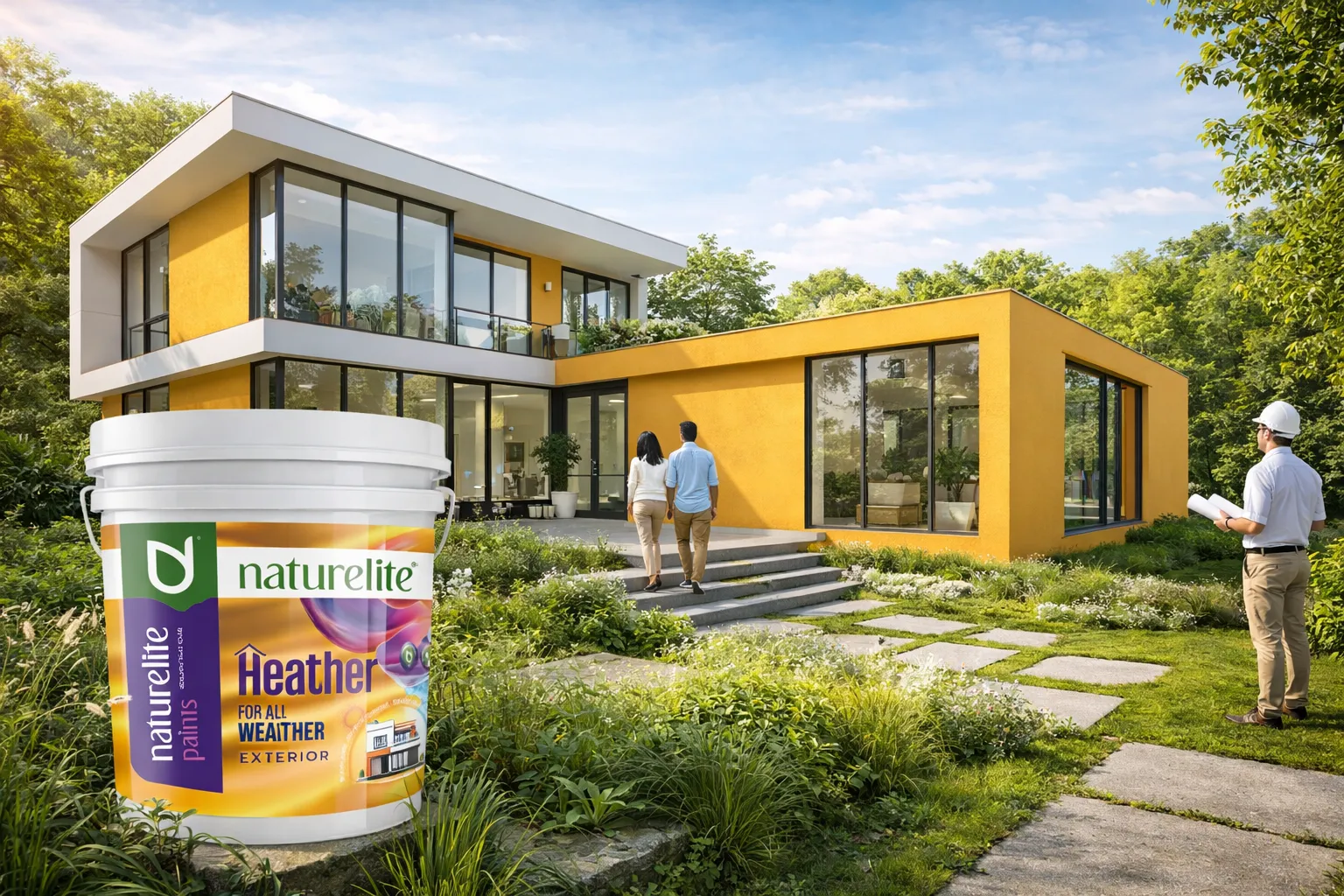
Kerala's tropical climate presents unique challenges for exterior surfaces. Heavy monsoons, humidity, UV exposure, and coastal conditions can significantly impact the lifespan of building exteriors.

Selecting the right exterior paint is essential for protecting buildings from weather-related deterioration.

The ideal exterior paint should offer:

  • Water resistance
  • UV resistance
  • Anti-fungal protection
  • Color retention
  • Crack resistance

Humidity is one of the biggest challenges in Kerala. Excess moisture can lead to peeling paint, fungal growth, algae formation, and wall dampness. High-quality exterior coatings help prevent these issues by forming a protective barrier against moisture infiltration.

Another important factor is UV resistance. Constant sunlight exposure can cause fading and chalking if inferior products are used. Premium exterior paints are designed to maintain appearance and structural integrity for years.

For coastal regions, salt-laden air increases the risk of surface deterioration. Specialized coatings provide additional protection against these environmental stresses.

Proper surface preparation, primer application, and maintenance also play important roles in maximizing paint life.

Choosing sustainable exterior paints with low VOC formulations further contributes to healthier surroundings and environmentally responsible construction.

Strong sunlight can gradually fade paint colors and reduce the aesthetic value of a building. UV-resistant exterior paints are formulated to maintain color vibrancy and surface finish despite prolonged sun exposure.

A high-performance exterior coating system not only improves aesthetics but also reduces maintenance costs and extends building life.

Read Article
How Eco-Friendly Paints Improve Indoor Air Quality

How Eco-Friendly Paints Improve Indoor Air Quality

Indoor air quality plays a vital role in maintaining a healthy and comfortable living environment. While many people focus on air purifiers, ventilation systems, and regular cleaning to improve indoor air quality, one important factor is often overlooked—paint. The type of paint used on walls, ceilings, and interior surfaces can significantly impact the quality of the air we breathe every day.

Traditional paints often contain high levels of Volatile Organic Compounds (VOCs), which are chemicals released into the air during and after the painting process. These emissions can remain indoors for weeks or even months, contributing to poor indoor air quality and potentially affecting the health of building occupants. Eco-friendly paints offer a safer and more sustainable alternative by minimizing harmful emissions while delivering excellent performance and durability.

What Are Eco-Friendly Paints?

Eco-friendly paints are specially formulated to reduce environmental impact and improve occupant well-being. These paints typically contain low VOC or zero VOC content and are manufactured using environmentally responsible processes and ingredients.

Unlike conventional paints that release significant amounts of chemical pollutants, sustainable paints are designed to maintain air quality while providing attractive finishes, long-lasting protection, and excellent coverage.

Understanding VOC Emissions

Volatile Organic Compounds are chemicals that evaporate easily at room temperature. When paint dries, VOCs are released into the surrounding air, contributing to indoor pollution. Common symptoms associated with excessive VOC exposure may include:

  • Headaches
  • Dizziness
  • Eye irritation
  • Respiratory discomfort
  • Allergic reactions
  • Unpleasant odors

People spend a significant portion of their lives indoors, making it essential to reduce exposure to unnecessary pollutants. Choosing eco-friendly paints helps create healthier indoor environments by limiting the release of harmful chemicals.

How Eco-Friendly Paints Improve Indoor Air Quality

One of the biggest advantages of eco-friendly paints is their ability to significantly reduce indoor air contamination. Low VOC formulations release fewer pollutants into the atmosphere, helping maintain cleaner and fresher indoor air.

Because these paints emit fewer harmful compounds, occupants can enjoy improved comfort and reduced exposure to airborne irritants. This is particularly beneficial in newly painted spaces where traditional paints often produce strong odors and chemical emissions.

Modern sustainable paint technologies also support better ventilation efficiency and contribute to healthier indoor environments without compromising performance or aesthetics.

Benefits for Homes and Families

Eco-friendly paints are becoming increasingly popular among homeowners who prioritize health and sustainability. Families with children, elderly individuals, and people with respiratory conditions can especially benefit from improved indoor air quality.

Children are often more sensitive to environmental pollutants due to their developing respiratory systems. Using low VOC paints in bedrooms, playrooms, and living areas can help create safer spaces for everyday living.

Similarly, individuals with asthma or allergies may experience fewer irritants when exposed to interiors painted with environmentally responsible coatings.

Importance in Schools and Educational Facilities

Schools, colleges, and educational institutions accommodate large numbers of students and staff for extended periods each day. Maintaining healthy indoor air quality is essential for creating productive learning environments.

Eco-friendly paints help reduce chemical exposure while supporting cleaner indoor spaces. By minimizing VOC emissions, educational facilities can improve occupant comfort and contribute to healthier classrooms and study areas.

Applications in Hospitals and Healthcare Facilities

Healthcare environments require strict attention to occupant wellness and air quality. Patients, healthcare workers, and visitors benefit from spaces designed to reduce exposure to harmful pollutants.

Low VOC and sustainable paints are increasingly specified in hospitals, clinics, laboratories, and healthcare centers because they support healthier indoor conditions while meeting performance requirements for durability and hygiene.

Supporting Modern Green Buildings

Green building practices have gained significant momentum worldwide as organizations seek to reduce environmental impact and improve occupant well-being. Indoor environmental quality is one of the key components of sustainable building design.

Eco-friendly paints contribute to green building certifications and sustainability goals by reducing harmful emissions and supporting healthier interior environments. Architects and developers often specify sustainable coatings as part of environmentally responsible construction projects.

In addition to improving indoor air quality, these paints align with broader sustainability initiatives aimed at reducing environmental footprints and promoting responsible resource use.

Long-Term Environmental Benefits

Choosing eco-friendly paints benefits not only building occupants but also the environment. Lower VOC emissions help reduce air pollution and contribute to cleaner communities. Sustainable paint technologies continue to evolve, offering high-performance solutions that combine durability, beauty, and environmental responsibility.

As awareness of environmental and health concerns continues to grow, demand for sustainable paints is increasing across residential, commercial, institutional, and industrial sectors.

Why Choose Naturelite Paints?

Naturelite Paints is committed to developing environmentally responsible coating solutions that support healthier indoor environments and sustainable construction practices. By focusing on advanced low VOC technologies and high-performance formulations, Naturelite helps customers achieve both aesthetic and environmental goals.

Whether for homes, schools, healthcare facilities, offices, or commercial buildings, eco-friendly paints provide a practical solution for improving indoor air quality while supporting long-term sustainability. Choosing the right paint today can create healthier living and working spaces for years to come.

Read Article
Why Waterproofing Should Be Done Before Painting Your Home

Why Waterproofing Should Be Done Before Painting Your Home

Many homeowners invest significant time and money in selecting the perfect paint colors and finishes for their homes. However, one critical step is often overlooked before painting begins—waterproofing. While paint enhances the appearance of walls and provides a protective layer, it cannot effectively protect surfaces that are already vulnerable to moisture infiltration.

Waterproofing is the foundation of a durable and long-lasting painting system. Without proper waterproofing, moisture can penetrate walls, causing paint damage, structural issues, and costly repairs. Whether constructing a new building or renovating an existing property, waterproofing should always be completed before applying paint.

Understanding the Impact of Moisture on Buildings

Water is one of the most common causes of building deterioration. Rainwater, humidity, groundwater seepage, and leaking pipes can all introduce moisture into walls and structural elements. Over time, this moisture weakens surfaces and creates conditions that lead to visible damage.

Common signs of moisture-related problems include:

  • Damp patches on walls
  • Peeling or blistering paint
  • Efflorescence (white salt deposits)
  • Cracks in walls and ceilings
  • Mold and fungal growth
  • Musty indoor odors

Ignoring these issues can lead to extensive structural deterioration and expensive maintenance work in the future.

Why Painting Alone Is Not Enough

Many people assume that exterior or interior paint can prevent water damage. While high-quality paints offer some level of protection, they are not designed to stop significant water penetration. If moisture enters the substrate beneath the paint, the coating eventually loses adhesion and begins to fail.

When walls absorb water, paint films may bubble, crack, peel, or discolor. Even premium paints cannot perform effectively when applied over damp or poorly protected surfaces.

This is why waterproofing should always be completed before painting. It creates a protective barrier that prevents water from entering the structure and compromising the paint system.

Benefits of Wall Waterproofing Before Painting

Proper wall waterproofing provides numerous advantages that improve both the performance and lifespan of painted surfaces.

  • Prevents water seepage and dampness
  • Enhances paint adhesion
  • Reduces paint peeling and blistering
  • Protects structural components
  • Minimizes mold and fungal growth
  • Extends paint durability
  • Reduces long-term maintenance costs

By addressing moisture issues at the source, waterproofing helps maintain the beauty and integrity of painted surfaces for years.

Protecting Exterior Walls

Exterior walls are constantly exposed to environmental conditions such as rain, humidity, sunlight, and temperature fluctuations. During heavy rainfall, porous wall surfaces can absorb water, leading to dampness and paint deterioration.

Exterior wall waterproofing systems create a moisture-resistant barrier that protects the building envelope from water intrusion. This additional protection significantly improves the effectiveness and lifespan of exterior paints.

For regions with heavy monsoons and high humidity, waterproofing is particularly important for preventing recurring wall damage.

Importance of Terrace Waterproofing

Terraces and rooftops are among the most vulnerable areas of a building when it comes to water penetration. Cracks, improper drainage, and surface wear can allow rainwater to seep into the structure below.

Without proper terrace waterproofing, water can gradually infiltrate ceilings and walls, causing visible damage to interior paint finishes. Waterproofing systems help seal vulnerable areas and prevent leaks before they become major problems.

Investing in terrace waterproofing before painting ensures comprehensive protection throughout the building.

Preventing Structural Damage

Moisture does more than damage paint. Over time, persistent water exposure can weaken concrete, corrode reinforcement steel, and compromise structural stability. Small water leaks that go untreated can eventually develop into significant structural concerns.

Waterproofing acts as a preventive measure that protects critical building components from moisture-related deterioration. This helps preserve structural strength and reduces the likelihood of costly repairs.

Long-Term Cost Savings

Many homeowners view waterproofing as an additional expense, but it is actually a cost-effective investment. The cost of repairing damp walls, repainting damaged surfaces, and addressing structural issues can be far greater than the initial waterproofing investment.

By preventing water damage before it occurs, waterproofing significantly reduces maintenance requirements and extends the life of both the building and its paint system.

Supporting a Healthier Indoor Environment

Damp walls often create ideal conditions for mold and mildew growth. These microorganisms can negatively affect indoor air quality and contribute to respiratory discomfort, allergies, and other health concerns.

Effective waterproofing helps maintain dry interior surfaces and supports a healthier living environment for occupants.

Why Choose Naturelite Paints?

Naturelite Paints understands that long-lasting paint performance begins with proper surface protection. By combining advanced waterproofing solutions with high-quality coating technologies, Naturelite helps homeowners, builders, and property owners achieve durable and attractive finishes that withstand environmental challenges.

Whether protecting exterior walls, terraces, or interior spaces, waterproofing before painting is one of the smartest decisions you can make. It safeguards your investment, enhances paint durability, prevents moisture-related damage, and ensures your home remains beautiful and protected for years to come.

Read Article
Sustainable Paints and Their Role in Green Building Projects

Sustainable Paints and Their Role in Green Building Projects

The construction industry is undergoing a significant transformation as sustainability becomes a priority for developers, architects, builders, and property owners. Modern construction is no longer focused solely on aesthetics and structural performance. Today, there is a growing emphasis on creating buildings that are environmentally responsible, energy-efficient, and healthier for occupants.

One important component of sustainable construction is the selection of building materials. Among these materials, sustainable paints play a crucial role in supporting green building projects. These advanced coating solutions help reduce environmental impact, improve indoor environmental quality, and contribute to the long-term performance of modern buildings.

What Are Sustainable Paints?

Sustainable paints are environmentally responsible coatings designed to minimize harmful emissions while maintaining high levels of durability, protection, and visual appeal. Unlike traditional paints that may contain high concentrations of volatile organic compounds (VOCs), sustainable paints are formulated with low VOC or zero VOC technologies.

These eco-friendly coatings are developed to reduce their impact on both human health and the environment throughout their lifecycle, from manufacturing to application and long-term use.

As awareness of environmental responsibility continues to increase, sustainable paints have become an essential element of green construction practices worldwide.

The Importance of Green Building Projects

Green buildings are designed to reduce resource consumption, improve energy efficiency, and create healthier indoor environments. These projects focus on minimizing environmental impact while maximizing occupant comfort and building performance.

Modern green building initiatives often consider factors such as:

  • Energy efficiency
  • Indoor environmental quality
  • Water conservation
  • Sustainable material selection
  • Waste reduction
  • Long-term building durability

Sustainable paints directly support several of these objectives by reducing emissions, extending maintenance cycles, and enhancing indoor air quality.

Supporting LEED and Green Building Certifications

Many sustainable construction projects pursue internationally recognized green building certifications such as LEED (Leadership in Energy and Environmental Design). These certification systems evaluate buildings based on environmental performance, resource efficiency, and occupant wellness.

Low VOC and eco-friendly coatings can contribute to certification goals by supporting healthier indoor environments and reducing chemical emissions. As a result, architects and developers often specify sustainable paints when designing certified green buildings.

Using environmentally responsible coatings demonstrates a commitment to sustainable construction and responsible project development.

Improving Indoor Environmental Quality

Indoor Environmental Quality (IEQ) is one of the most important aspects of modern building design. Since people spend a significant portion of their lives indoors, maintaining healthy indoor conditions is essential.

Traditional paints can release VOCs that contribute to indoor air pollution. These emissions may cause discomfort and negatively affect occupant well-being. Sustainable paints significantly reduce these emissions, helping create cleaner and healthier indoor spaces.

Improved indoor air quality is particularly important in residential buildings, offices, schools, healthcare facilities, and commercial spaces where occupant comfort and productivity are priorities.

Reducing Environmental Impact

One of the primary advantages of sustainable paints is their ability to reduce environmental impact. Lower VOC emissions help decrease air pollution and contribute to cleaner communities.

Many sustainable paint manufacturers also focus on environmentally responsible production processes, efficient resource utilization, and reduced waste generation. These practices support broader sustainability goals across the construction industry.

By selecting eco-friendly coatings, project teams can make meaningful contributions toward environmental protection while maintaining high-quality building finishes.

Enhancing Energy-Efficient Building Design

Sustainable architecture often incorporates strategies to improve energy efficiency and reduce operational costs. Certain advanced coating technologies can complement these efforts by improving thermal performance and helping protect building surfaces from environmental stress.

Durable coatings that resist weathering, UV exposure, and moisture penetration help maintain building performance over time while reducing the need for frequent repairs and repainting.

This long-term durability supports energy-efficient building management and contributes to overall project sustainability.

Long-Term Performance and Cost Savings

Sustainability is not only about environmental responsibility; it is also about long-term value. Sustainable paints are designed to deliver lasting protection, color retention, and resistance to wear and tear.

Because these coatings often require less frequent maintenance and repainting, building owners can benefit from reduced lifecycle costs. Lower maintenance requirements also decrease material consumption over time, further supporting sustainable construction objectives.

The Growing Demand for Sustainable Construction Materials

As governments, businesses, and consumers place greater emphasis on sustainability, demand for eco-friendly construction materials continues to grow. Builders and developers are increasingly seeking products that align with green building standards and environmental regulations.

Sustainable paints have emerged as a practical solution that combines environmental responsibility with high-performance protection and aesthetic appeal. Their role in modern construction is expected to expand significantly in the coming years.

Why Choose Naturelite Paints?

Naturelite Paints is committed to supporting sustainable construction through innovative coating technologies that prioritize performance, durability, and environmental responsibility. By offering advanced low VOC and eco-friendly paint solutions, Naturelite helps architects, builders, and property owners achieve their green building goals without compromising quality.

Whether used in residential developments, commercial buildings, educational institutions, healthcare facilities, or large-scale infrastructure projects, sustainable paints contribute to healthier environments and more responsible construction practices.

As the future of construction continues to evolve, sustainable paints will remain an essential component of green building projects, helping create spaces that are better for people, buildings, and the planet.

Read Article
How to Choose the Right Interior Paint for Your Home

How to Choose the Right Interior Paint for Your Home

Choosing the right interior paint is one of the most important decisions when designing or renovating a home. Paint does much more than add color to walls—it influences the overall atmosphere of a space, affects maintenance requirements, and contributes to the comfort and well-being of occupants.

With countless colors, finishes, and product options available in the market, selecting the best interior paint can feel overwhelming. Understanding the key factors involved can help homeowners make informed decisions that combine aesthetics, durability, and long-term value.

Why Interior Paint Selection Matters

Interior walls are constantly exposed to daily wear and tear. From accidental stains and fingerprints to moisture and cleaning, painted surfaces need to withstand various challenges while maintaining their appearance.

The right paint can enhance the beauty of a room, improve durability, simplify maintenance, and even contribute to healthier indoor air quality. On the other hand, choosing the wrong paint may lead to frequent touch-ups, fading, or premature deterioration.

When selecting interior paints, homeowners should consider factors such as room usage, finish type, color psychology, durability requirements, and environmental impact.

Understanding Different Paint Finishes

One of the first decisions homeowners face is choosing the appropriate paint finish. The finish affects both the appearance and performance of painted surfaces.

  • Matte Finish: Provides a smooth, non-reflective appearance that helps hide surface imperfections. Ideal for bedrooms, living rooms, and ceilings.
  • Eggshell Finish: Offers a subtle sheen with improved durability. Suitable for living areas and dining rooms.
  • Satin Finish: Popular for family spaces due to its balance of elegance and easy cleaning.
  • Semi-Gloss Finish: Highly durable and moisture-resistant, making it suitable for kitchens, bathrooms, and trim work.
  • Gloss Finish: Delivers a reflective appearance and maximum washability for doors, cabinets, and decorative elements.

Selecting the right finish ensures that each room receives the appropriate level of protection and visual appeal.

The Role of Color Psychology

Colors have a significant influence on mood, perception, and overall living experience. Understanding color psychology can help homeowners create spaces that reflect their desired atmosphere.

  • Blue tones promote calmness and relaxation.
  • Green shades create a connection with nature and balance.
  • Neutral colors offer timeless elegance and versatility.
  • Yellow tones bring warmth and positivity.
  • Earthy shades create comfort and sophistication.

Modern interior design trends often favor soft neutrals, natural earth tones, and colors inspired by nature to create welcoming and comfortable environments.

Room-Specific Paint Recommendations

Different rooms have different functional requirements, and paint selection should reflect those needs.

Living Rooms: Soft neutrals, warm tones, and elegant finishes help create inviting gathering spaces.

Bedrooms: Calm and soothing colors such as blues, greens, and muted earth tones promote relaxation.

Kitchens: Durable, stain-resistant paints with washable finishes help maintain cleanliness and appearance.

Bathrooms: Moisture-resistant coatings are essential for areas exposed to humidity and water vapor.

Children's Rooms: Washable paints with low VOC formulations provide durability while supporting healthier indoor environments.

Importance of Durability

Durability is a critical factor when choosing interior paints. High-traffic areas such as hallways, family rooms, and staircases experience frequent contact and require coatings that can resist scuffs, scratches, and wear.

Premium interior paints are designed to provide superior adhesion, long-lasting color retention, and resistance to everyday damage. Investing in quality products often reduces maintenance costs and extends repainting intervals.

Why Washability Matters

Modern households require paints that can withstand regular cleaning without losing their appearance. Washable paints allow homeowners to remove dirt, stains, fingerprints, and marks without damaging the finish.

This feature is especially valuable in homes with children, pets, or busy living spaces where walls are more likely to require frequent cleaning.

Choosing Low VOC Interior Paints

Indoor air quality has become a growing concern among homeowners and builders. Traditional paints may release Volatile Organic Compounds (VOCs) into the air during and after application.

Low VOC interior paints help reduce indoor air pollution while maintaining excellent performance and aesthetics. These environmentally responsible coatings are ideal for families seeking healthier living environments.

Low VOC options are particularly beneficial for children, elderly individuals, allergy sufferers, and people with respiratory sensitivities.

Consider Lighting Conditions

Natural and artificial lighting can dramatically affect how paint colors appear throughout the day. A shade that looks perfect in a showroom may appear different once applied at home.

Testing paint samples under actual lighting conditions helps homeowners make confident color selections and avoid unexpected results.

Why Choose Naturelite Paints?

Naturelite Paints offers advanced interior coating solutions designed to combine beauty, durability, and environmental responsibility. With a focus on high-performance finishes, washability, low VOC technology, and long-lasting protection, Naturelite helps homeowners create interiors that remain attractive and functional for years.

Choosing the right interior paint is about more than selecting a color. It involves finding the perfect balance between aesthetics, durability, comfort, and sustainability. By carefully evaluating finishes, colors, performance requirements, and environmental considerations, homeowners can create living spaces that reflect their style while delivering long-term value.

Read Article
Paint Trends for Modern Homes in 2026

Paint Trends for Modern Homes in 2026

Interior design continues to evolve as homeowners seek spaces that combine comfort, functionality, and personal expression. In 2026, paint trends are moving beyond simple color choices and becoming an essential element of modern architecture and interior design. Today's homeowners are looking for colors that create calming environments, connect with nature, and support sustainable living.

From earthy palettes and minimalist aesthetics to bold accent walls and environmentally conscious paint choices, the latest trends reflect a desire for homes that feel both contemporary and timeless. Understanding these emerging paint trends can help homeowners, designers, and architects create spaces that remain stylish for years to come.

Earth Tones Continue to Dominate

One of the most influential paint trends for 2026 is the continued popularity of earth-inspired colors. Homeowners are increasingly drawn to shades that reflect natural landscapes and create a sense of warmth and tranquility.

Popular earth tones include:

  • Warm beige
  • Soft terracotta
  • Clay-inspired browns
  • Olive green
  • Sandstone neutrals
  • Muted taupe shades

These colors provide a welcoming atmosphere while maintaining a sophisticated appearance. Earth tones work exceptionally well in living rooms, bedrooms, dining areas, and open-plan spaces where comfort and relaxation are priorities.

The Rise of Sustainable Colors

Sustainability is influencing nearly every aspect of modern home design, including paint selection. In 2026, homeowners are increasingly choosing colors inspired by nature, wellness, and environmental consciousness.

Soft greens, muted blues, warm neutrals, and organic color palettes are becoming popular because they create a natural connection between indoor and outdoor environments. These shades promote a sense of calm and support the growing trend toward healthier living spaces.

When combined with low VOC and eco-friendly paint technologies, sustainable color choices help create interiors that are both beautiful and environmentally responsible.

Natural Aesthetics and Biophilic Design

Biophilic design continues to shape interior design trends in 2026. This design philosophy focuses on strengthening the connection between people and nature through materials, textures, lighting, and color.

Paint colors inspired by forests, oceans, mountains, and natural landscapes are becoming increasingly popular. Soft sage greens, warm stone grays, earthy browns, and sky-inspired blues help create calming environments that support well-being.

These natural aesthetics are often complemented by wooden finishes, indoor plants, natural fabrics, and sustainable materials to create harmonious living spaces.

Minimalist Interiors Remain Popular

Minimalism continues to be a defining characteristic of modern homes. However, the minimalist interiors of 2026 are evolving beyond plain white walls. Today's approach embraces warmth, texture, and subtle color variations.

Instead of stark and sterile environments, homeowners are choosing soft neutral palettes that create depth and visual interest while maintaining simplicity.

Popular minimalist colors include:

  • Warm white
  • Greige (gray-beige combinations)
  • Light taupe
  • Soft cream
  • Muted stone gray

These colors provide flexibility for furniture, artwork, and decorative accents while maintaining a clean and uncluttered appearance.

Accent Walls Make a Strong Statement

Accent walls remain one of the most effective ways to introduce personality into modern interiors. Rather than painting entire rooms in bold colors, homeowners are using feature walls to create visual impact without overwhelming the space.

Popular accent wall colors in 2026 include:

  • Deep forest green
  • Rich navy blue
  • Terracotta orange
  • Charcoal gray
  • Muted burgundy

Accent walls are commonly used behind beds, television units, dining areas, and entryways to add depth and architectural interest.

Modern Architecture and Exterior Color Trends

Paint trends are not limited to interiors. Modern architecture increasingly favors sophisticated exterior color palettes that complement contemporary building designs.

In 2026, exterior colors are expected to feature combinations of neutral shades, natural textures, and contrasting accents. Warm gray, off-white, sandstone, and earthy brown tones continue to dominate residential and commercial architecture.

These colors create a timeless appearance while enhancing curb appeal and blending naturally with surrounding environments.

The Importance of Paint Quality

While color trends attract attention, paint quality remains equally important. Homeowners are increasingly prioritizing products that offer durability, washability, stain resistance, and long-term color retention.

Modern premium paints provide superior performance while maintaining the desired aesthetic appeal. High-quality coatings help ensure that trendy colors continue to look fresh and attractive for years.

Low VOC Paints and Healthy Living

As awareness of indoor air quality grows, low VOC paints are becoming a preferred choice for modern homes. These environmentally responsible coatings help reduce indoor air pollution while delivering excellent color performance and durability.

Combining trending colors with sustainable paint technologies allows homeowners to create stylish spaces that support both health and environmental responsibility.

Why Choose Naturelite Paints?

Naturelite Paints offers innovative coating solutions that align with the latest interior design trends while maintaining a strong focus on sustainability, durability, and performance. Whether creating minimalist interiors, nature-inspired spaces, or contemporary accent features, Naturelite provides advanced paint technologies designed for modern living.

The paint trends of 2026 reflect a growing desire for comfort, authenticity, and environmental awareness. By embracing earth tones, sustainable colors, natural aesthetics, and high-quality coatings, homeowners can create modern spaces that remain elegant, functional, and relevant for years to come.

Read Article
Why Architects Prefer Sustainable Paint Solutions

Why Architects Prefer Sustainable Paint Solutions

The construction industry is rapidly evolving as sustainability becomes a key consideration in modern building design. Architects today are expected to create structures that are not only visually appealing and functional but also environmentally responsible. As a result, sustainable building materials have become a critical part of architectural planning, and paint systems are no exception.

Paint is often viewed simply as a decorative finish, but architects understand that coatings play a much larger role in building performance, occupant well-being, and environmental impact. Sustainable paint solutions have emerged as a preferred choice for architects seeking to meet modern design standards while supporting green building objectives.

From improving indoor air quality to contributing to sustainability certifications, eco-friendly coatings offer numerous advantages that align with the goals of contemporary architecture.

The Shift Toward Sustainable Construction

Across residential, commercial, institutional, and industrial projects, sustainability has become a major priority. Governments, developers, and property owners are increasingly focused on reducing environmental impact while improving building efficiency and occupant comfort.

Architects are often at the forefront of these initiatives, making material selections that support responsible construction practices. Sustainable paint solutions help achieve these goals by reducing harmful emissions, improving durability, and contributing to healthier indoor environments.

As environmental awareness continues to grow, sustainable coatings have become an essential component of modern architectural specifications.

Improved Indoor Air Quality

One of the primary reasons architects specify sustainable paint solutions is their positive impact on indoor air quality. Traditional paints often contain Volatile Organic Compounds (VOCs), which can be released into indoor spaces during and after application.

These emissions may contribute to indoor air pollution and affect occupant comfort. Sustainable paints typically feature low VOC or zero VOC formulations, significantly reducing the release of harmful chemicals.

This is especially important in buildings where people spend extended periods, including:

  • Homes and residential developments
  • Schools and universities
  • Hospitals and healthcare facilities
  • Office buildings
  • Hotels and hospitality projects
  • Commercial spaces

By improving indoor environmental quality, sustainable paints help create healthier and more comfortable spaces for occupants.

Supporting Green Building Certifications

Many modern construction projects pursue green building certifications such as LEED (Leadership in Energy and Environmental Design) and other sustainability rating systems. These certifications recognize projects that demonstrate environmental responsibility and resource efficiency.

Sustainable paint solutions can contribute to certification requirements by reducing VOC emissions and supporting indoor environmental quality goals. Architects often specify eco-friendly coatings as part of broader sustainability strategies that help projects achieve certification targets.

This not only benefits the environment but also enhances the market value and reputation of the completed building.

Greater Design Flexibility

Modern sustainable paints are available in a wide range of colors, finishes, and performance specifications. This allows architects to achieve their creative vision without compromising environmental objectives.

Whether designing minimalist residential interiors, contemporary commercial spaces, educational institutions, or large-scale infrastructure projects, architects can select sustainable coatings that complement their design concepts while meeting performance requirements.

Today's eco-friendly paints offer the same aesthetic possibilities as traditional coatings, making sustainability easier to integrate into architectural design.

Long-Term Performance and Durability

Architects must consider the long-term performance of every material specified in a project. Sustainable paint solutions are engineered to provide excellent durability, color retention, washability, and resistance to environmental stresses.

High-quality coatings help protect surfaces from wear and tear, moisture exposure, UV radiation, and everyday use. This reduces maintenance requirements and extends repainting cycles, resulting in lower lifecycle costs for building owners.

Durable paint systems contribute to overall building performance and support sustainable resource management by minimizing material consumption over time.

Meeting Client Expectations

Clients today are increasingly aware of environmental issues and often request sustainable construction solutions. Whether developing residential communities, office complexes, educational facilities, or healthcare projects, many clients prioritize environmentally responsible materials.

By specifying sustainable paint solutions, architects can help meet these expectations while delivering projects that align with modern sustainability goals.

Eco-friendly coatings provide an effective way to balance aesthetics, performance, environmental responsibility, and occupant wellness.

Reducing Environmental Impact

Sustainable paint solutions contribute to environmental protection by reducing harmful emissions and supporting cleaner manufacturing practices. Lower VOC levels help decrease air pollution, while advanced formulations minimize environmental impact throughout the product lifecycle.

Architects recognize that material selection plays a significant role in reducing the overall environmental footprint of a building project. Sustainable coatings allow them to make responsible choices without sacrificing quality or design flexibility.

Enhancing Project Sustainability

Sustainability is no longer limited to energy efficiency alone. Modern green building strategies consider every aspect of construction, including material sourcing, indoor environmental quality, maintenance requirements, and long-term performance.

Sustainable paints support these objectives by contributing to healthier indoor spaces, reducing environmental impact, and improving building durability. Their role extends far beyond aesthetics, making them an important part of comprehensive sustainability planning.

The Future of Sustainable Architecture

As sustainability standards continue to evolve, architects will increasingly rely on innovative materials that support responsible construction practices. Sustainable paint solutions are expected to play an even greater role in future building projects as environmental regulations become more stringent and client expectations continue to rise.

Advancements in coating technology are enabling architects to achieve exceptional performance while reducing environmental impact, making eco-friendly paints a natural choice for forward-thinking design professionals.

Why Choose Naturelite Paints?

Naturelite Paints is committed to supporting architects, builders, and developers with advanced sustainable coating technologies designed for modern construction. By offering low VOC formulations, durable finishes, and environmentally responsible solutions, Naturelite helps create buildings that are healthier, more efficient, and better aligned with sustainability goals.

For architects seeking to balance design excellence, occupant wellness, and environmental responsibility, sustainable paint solutions provide a smart and future-ready choice. Their ability to enhance indoor air quality, support green certifications, and deliver long-term performance makes them an essential component of modern architectural practice.
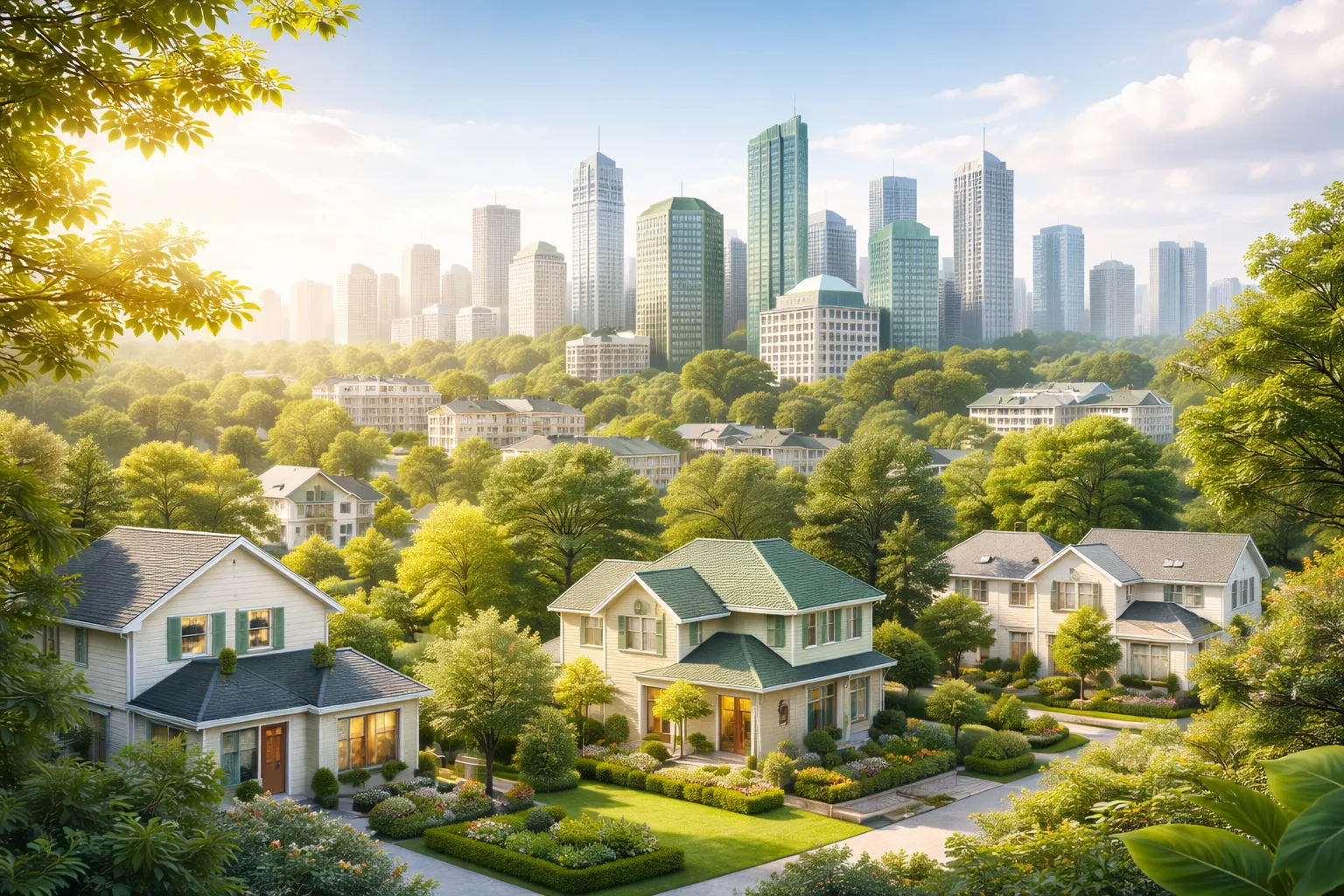
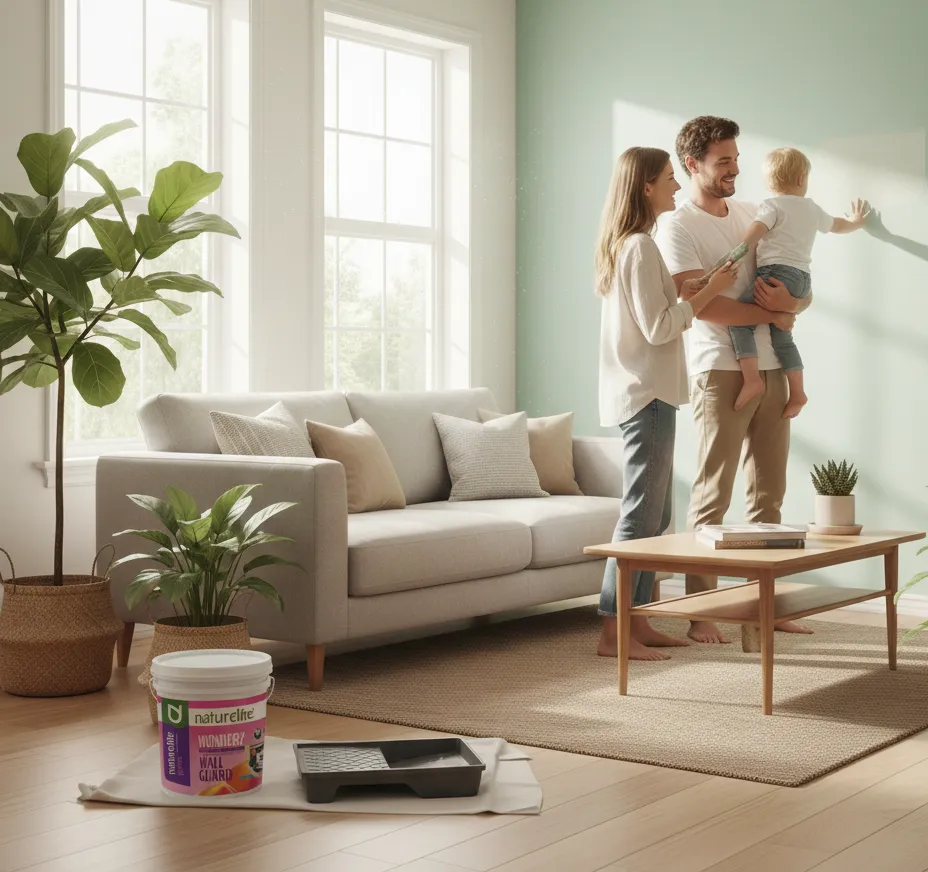
Read Article
Protecting Metal Structures with Anti-Corrosion Coatings

Protecting Metal Structures with Anti-Corrosion Coatings

Metal structures play a critical role in modern infrastructure, construction, manufacturing, transportation, and industrial operations. From bridges and warehouses to pipelines, factories, steel frameworks, and marine installations, metal components provide strength, durability, and reliability. However, one of the biggest threats to metal structures is corrosion.

Corrosion is a natural process that occurs when metal reacts with environmental elements such as oxygen, moisture, chemicals, and salt. Over time, this reaction can weaken structural integrity, reduce operational efficiency, and result in costly repairs or replacements. Fortunately, anti-corrosion coatings provide an effective solution for protecting metal surfaces and extending their service life.

What Is Corrosion?

Corrosion occurs when metal surfaces deteriorate due to chemical or electrochemical reactions with their surroundings. Rust, the most common form of corrosion, affects iron and steel when exposed to moisture and oxygen.

Without proper protection, corrosion can spread rapidly across metal surfaces, causing structural damage, safety concerns, and financial losses. This makes corrosion prevention an essential part of maintenance planning for industrial facilities, commercial buildings, and infrastructure projects.

Protective coating systems are widely recognized as one of the most effective methods for preventing corrosion and preserving metal assets.

Why Anti-Corrosion Coatings Are Important

Anti-corrosion coatings act as a protective barrier between metal surfaces and environmental elements. These specialized coatings help prevent direct contact with moisture, chemicals, oxygen, and contaminants that contribute to corrosion.

By protecting metal surfaces, anti-corrosion paints help:

  • Prevent rust formation
  • Extend asset lifespan
  • Reduce maintenance costs
  • Improve structural reliability
  • Enhance appearance
  • Minimize downtime and repairs

Whether used in industrial plants, commercial buildings, marine structures, or transportation systems, anti-corrosion coatings provide long-term protection and operational benefits.

How Anti-Corrosion Coatings Work

Protective metal coatings function by creating a durable barrier that isolates the substrate from corrosive environmental conditions. Advanced coating systems may also contain specialized pigments and additives that enhance resistance to moisture, salt, chemicals, and temperature fluctuations.

Modern anti-corrosion technologies are designed to deliver excellent adhesion, durability, and resistance to harsh operating environments.

When properly applied and maintained, these coatings significantly slow the corrosion process and help preserve structural performance.

Protection in Coastal Environments

Coastal regions present particularly challenging conditions for metal structures. Salt-laden air accelerates corrosion by increasing the conductivity of moisture on metal surfaces. This can lead to rapid rust formation and premature deterioration.

Buildings, bridges, ports, offshore platforms, and industrial facilities located near coastlines require specialized anti-corrosion coatings capable of withstanding continuous exposure to marine environments.

High-performance protective coating systems help safeguard these structures and reduce the impact of aggressive coastal conditions.

Industrial Applications of Anti-Corrosion Coatings

Industrial facilities often expose metal equipment and structures to chemicals, moisture, heat, and mechanical wear. Without adequate protection, corrosion can compromise productivity and increase maintenance expenses.

Common industrial applications include:

  • Manufacturing plants
  • Storage tanks
  • Pipelines
  • Steel structures
  • Power generation facilities
  • Oil and gas installations
  • Processing equipment

Anti-corrosion coatings help maintain operational efficiency while protecting valuable assets from environmental and chemical damage.

Reducing Maintenance Costs

One of the most significant benefits of anti-corrosion paints is their ability to reduce maintenance requirements. Corrosion-related repairs can be expensive, especially when structural components must be replaced or operations interrupted.

By investing in quality coating systems, organizations can minimize repair frequency, extend maintenance intervals, and lower lifecycle costs. This proactive approach helps maximize return on investment and improve asset management strategies.

Components of a Protective Coating System

Effective corrosion protection often involves a complete coating system rather than a single layer of paint. A typical system may include:

  • Surface preparation
  • Anti-corrosion primer
  • Intermediate protective coating
  • Durable topcoat

Proper surface preparation is particularly important because it ensures strong adhesion and optimal coating performance. Removing rust, dirt, grease, and contaminants helps maximize the effectiveness of the protective system.

Long-Term Structural Protection

Corrosion not only affects appearance but can also compromise the safety and reliability of structures over time. Protective coatings help preserve structural integrity by preventing deterioration before it becomes severe.

This is especially important for critical infrastructure such as bridges, transmission towers, industrial plants, and transportation networks where long-term performance is essential.

Advancements in Anti-Corrosion Technology

The coating industry continues to develop innovative technologies that provide enhanced corrosion resistance while supporting environmental sustainability. Modern coating systems offer improved durability, faster application, better weather resistance, and lower environmental impact.

These advancements allow asset owners to achieve superior protection while meeting evolving regulatory and sustainability requirements.

Why Choose Naturelite Paints?

Naturelite Paints provides advanced protective coating solutions designed to safeguard metal structures against corrosion, environmental exposure, and industrial challenges. With a focus on durability, performance, and long-term asset protection, Naturelite coatings help customers reduce maintenance costs while extending the life of critical infrastructure and equipment.

Protecting metal structures with anti-corrosion coatings is not simply a maintenance task—it is a strategic investment in safety, reliability, and long-term performance. By selecting high-quality coating systems and implementing proper protection measures, businesses and property owners can significantly extend the lifespan of valuable metal assets while reducing operational costs.

Read Article
The Future of Eco-Friendly Paints in India

The Future of Eco-Friendly Paints in India

India is experiencing rapid urbanization, infrastructure development, and growing environmental awareness. As consumers, businesses, and governments increasingly prioritize sustainability, the demand for eco-friendly construction materials continues to rise. Among these materials, eco-friendly paints have emerged as a crucial component of modern building practices.

Traditionally, paints were selected primarily for aesthetics, durability, and cost. Today, however, factors such as indoor air quality, environmental impact, health concerns, and sustainable construction practices are influencing purchasing decisions. As a result, the future of eco-friendly paints in India looks exceptionally promising.

Advancements in paint technology, stricter environmental regulations, and growing consumer awareness are transforming the paint industry and accelerating the adoption of sustainable coating solutions across residential, commercial, and industrial sectors.

The Growing Demand for Eco-Friendly Paints in India

Indian consumers are becoming more conscious of the products they use in their homes and workplaces. Increased awareness of environmental issues, health concerns, and indoor air pollution has encouraged homeowners and businesses to seek safer alternatives to conventional paints.

Eco-friendly paints offer several benefits that align with these evolving preferences, including:

  • Reduced VOC emissions
  • Improved indoor air quality
  • Lower environmental impact
  • Safer living and working environments
  • Support for sustainable construction practices

As sustainability becomes a mainstream priority, demand for environmentally responsible paints is expected to continue growing throughout India.

The Rise of Low VOC Technology

One of the most significant developments in the sustainable paint industry is the advancement of low VOC and zero VOC technologies. Volatile Organic Compounds (VOCs) are chemicals released into the atmosphere during and after paint application. These emissions can negatively impact indoor air quality and contribute to environmental pollution.

Modern eco-friendly paints are designed to minimize or eliminate VOC emissions while maintaining excellent performance characteristics such as durability, color retention, washability, and surface protection.

As technology continues to improve, low VOC paints are becoming increasingly accessible and affordable for consumers across India.

Green Building Trends Driving Market Growth

The growth of green building initiatives is playing a major role in expanding the eco-friendly paint market. Developers, architects, and builders are increasingly incorporating sustainable materials into their projects to meet environmental goals and improve building performance.

Green building projects focus on:

  • Energy efficiency
  • Indoor environmental quality
  • Sustainable material selection
  • Reduced environmental impact
  • Long-term resource conservation

Eco-friendly paints contribute directly to these objectives by supporting healthier indoor environments and reducing harmful emissions. Their role in sustainable construction is expected to become even more important as green building adoption increases.

Government Regulations and Sustainability Standards

Environmental regulations are becoming more influential in shaping the future of the paint industry. Governments around the world are implementing stricter standards aimed at reducing pollution and encouraging sustainable manufacturing practices.

India is also witnessing increased focus on environmental compliance and sustainable development. As regulations evolve, manufacturers are investing in cleaner technologies and environmentally responsible products to meet emerging requirements.

These developments are expected to accelerate innovation and further strengthen the market for eco-friendly paints.

Growing Consumer Awareness

Consumers today have greater access to information than ever before. Homeowners are increasingly researching products that contribute to healthier living environments and support environmental sustainability.

Questions about indoor air quality, chemical exposure, and environmental impact are becoming common during home construction and renovation projects. As awareness grows, consumers are more likely to choose paints that align with their health and sustainability values.

This shift in consumer behavior is encouraging manufacturers to expand their eco-friendly product offerings and invest in sustainable innovation.

Innovations Shaping the Future

The future of eco-friendly paints will be driven by continuous technological advancements. Manufacturers are developing innovative formulations that provide enhanced performance while reducing environmental impact.

Emerging innovations include:

  • Advanced low VOC and zero VOC coatings
  • Improved durability and weather resistance
  • Self-cleaning paint technologies
  • Antimicrobial coatings
  • Energy-efficient reflective coatings
  • Bio-based and renewable raw materials

These advancements are helping eco-friendly paints compete directly with traditional coatings while offering additional environmental and health benefits.

Opportunities in Residential and Commercial Construction

India's expanding construction sector presents significant opportunities for sustainable paint solutions. New housing developments, commercial complexes, educational institutions, healthcare facilities, and infrastructure projects are increasingly adopting green building principles.

As developers seek materials that contribute to sustainability goals, eco-friendly paints are becoming an essential part of project specifications. Their ability to support occupant wellness and environmental responsibility makes them highly attractive across multiple sectors.

The Role of Sustainable Paint Manufacturers

Paint manufacturers have a crucial role to play in driving industry transformation. Companies that invest in research, innovation, and environmentally responsible production processes will be well-positioned to meet future market demands.

The focus is shifting from simply producing coatings to developing comprehensive solutions that balance performance, sustainability, and customer expectations.

Why Choose Naturelite Paints?

Naturelite Paints is committed to shaping the future of sustainable coatings through innovative technologies and environmentally responsible solutions. By focusing on low VOC formulations, durable performance, and green building compatibility, Naturelite helps customers create healthier and more sustainable spaces.

As India moves toward a greener future, eco-friendly paints will become an increasingly important part of construction and renovation projects. The combination of technological innovation, environmental awareness, supportive regulations, and growing consumer demand positions sustainable paints as a key driver of the future paint industry.

Choosing eco-friendly paints today is more than a trend—it is an investment in healthier homes, responsible construction, and a more sustainable future for generations to come.

Read Article

Building a Greener, Healthier Tomorrow

Every Naturelite Paint product represents a step toward responsible living, healthier environments, and a sustainable future.