The construction industry is rapidly evolving as sustainability becomes a key consideration in modern building design. Architects today are expected to create structures that are not only visually appealing and functional but also environmentally responsible. As a result, sustainable building materials have become a critical part of architectural planning, and paint systems are no exception.
Paint is often viewed simply as a decorative finish, but architects understand that coatings play a much larger role in building performance, occupant well-being, and environmental impact. Sustainable paint solutions have emerged as a preferred choice for architects seeking to meet modern design standards while supporting green building objectives.
From improving indoor air quality to contributing to sustainability certifications, eco-friendly coatings offer numerous advantages that align with the goals of contemporary architecture.
The Shift Toward Sustainable Construction
Across residential, commercial, institutional, and industrial projects, sustainability has become a major priority. Governments, developers, and property owners are increasingly focused on reducing environmental impact while improving building efficiency and occupant comfort.
Architects are often at the forefront of these initiatives, making material selections that support responsible construction practices. Sustainable paint solutions help achieve these goals by reducing harmful emissions, improving durability, and contributing to healthier indoor environments.
As environmental awareness continues to grow, sustainable coatings have become an essential component of modern architectural specifications.
Improved Indoor Air Quality
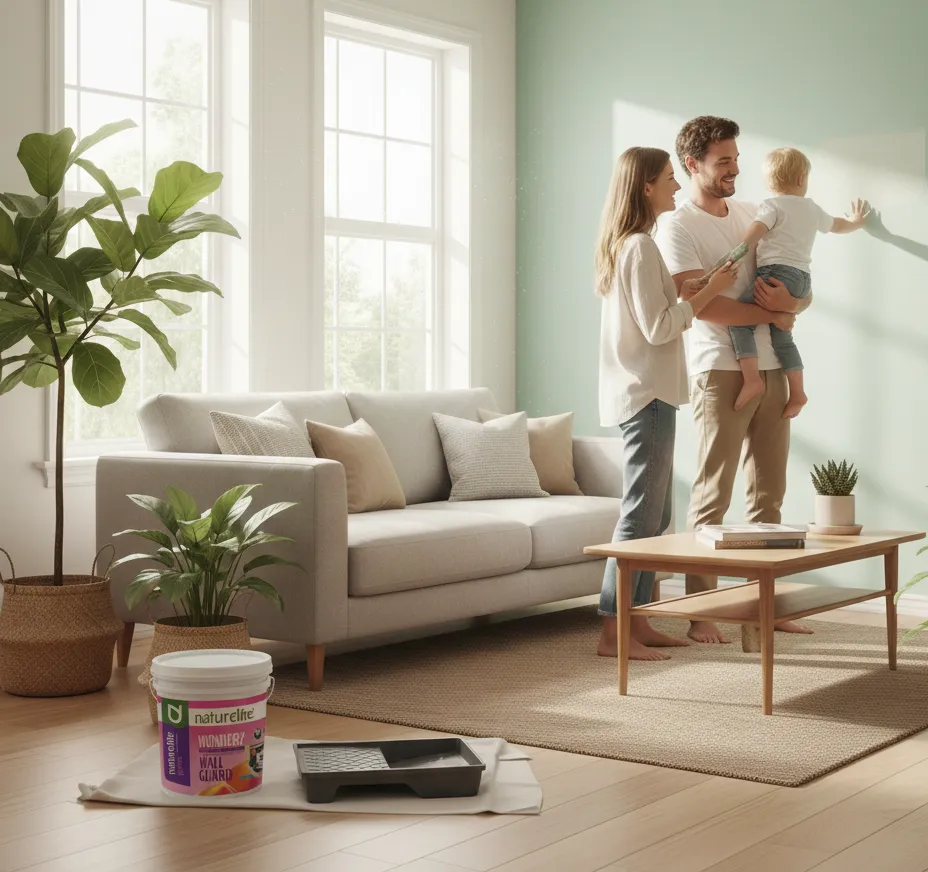
One of the primary reasons architects specify sustainable paint solutions is their positive impact on indoor air quality. Traditional paints often contain Volatile Organic Compounds (VOCs), which can be released into indoor spaces during and after application.
These emissions may contribute to indoor air pollution and affect occupant comfort. Sustainable paints typically feature low VOC or zero VOC formulations, significantly reducing the release of harmful chemicals.
This is especially important in buildings where people spend extended periods, including:
- Homes and residential developments
- Schools and universities
- Hospitals and healthcare facilities
- Office buildings
- Hotels and hospitality projects
- Commercial spaces
By improving indoor environmental quality, sustainable paints help create healthier and more comfortable spaces for occupants.
Supporting Green Building Certifications
Many modern construction projects pursue green building certifications such as LEED (Leadership in Energy and Environmental Design) and other sustainability rating systems. These certifications recognize projects that demonstrate environmental responsibility and resource efficiency.
Sustainable paint solutions can contribute to certification requirements by reducing VOC emissions and supporting indoor environmental quality goals. Architects often specify eco-friendly coatings as part of broader sustainability strategies that help projects achieve certification targets.
This not only benefits the environment but also enhances the market value and reputation of the completed building.
Greater Design Flexibility
Modern sustainable paints are available in a wide range of colors, finishes, and performance specifications. This allows architects to achieve their creative vision without compromising environmental objectives.
Whether designing minimalist residential interiors, contemporary commercial spaces, educational institutions, or large-scale infrastructure projects, architects can select sustainable coatings that complement their design concepts while meeting performance requirements.
Today's eco-friendly paints offer the same aesthetic possibilities as traditional coatings, making sustainability easier to integrate into architectural design.
Long-Term Performance and Durability
Architects must consider the long-term performance of every material specified in a project. Sustainable paint solutions are engineered to provide excellent durability, color retention, washability, and resistance to environmental stresses.
High-quality coatings help protect surfaces from wear and tear, moisture exposure, UV radiation, and everyday use. This reduces maintenance requirements and extends repainting cycles, resulting in lower lifecycle costs for building owners.
Durable paint systems contribute to overall building performance and support sustainable resource management by minimizing material consumption over time.
Meeting Client Expectations
Clients today are increasingly aware of environmental issues and often request sustainable construction solutions. Whether developing residential communities, office complexes, educational facilities, or healthcare projects, many clients prioritize environmentally responsible materials.
By specifying sustainable paint solutions, architects can help meet these expectations while delivering projects that align with modern sustainability goals.
Eco-friendly coatings provide an effective way to balance aesthetics, performance, environmental responsibility, and occupant wellness.
Reducing Environmental Impact
Sustainable paint solutions contribute to environmental protection by reducing harmful emissions and supporting cleaner manufacturing practices. Lower VOC levels help decrease air pollution, while advanced formulations minimize environmental impact throughout the product lifecycle.
Architects recognize that material selection plays a significant role in reducing the overall environmental footprint of a building project. Sustainable coatings allow them to make responsible choices without sacrificing quality or design flexibility.
Enhancing Project Sustainability
Sustainability is no longer limited to energy efficiency alone. Modern green building strategies consider every aspect of construction, including material sourcing, indoor environmental quality, maintenance requirements, and long-term performance.
Sustainable paints support these objectives by contributing to healthier indoor spaces, reducing environmental impact, and improving building durability. Their role extends far beyond aesthetics, making them an important part of comprehensive sustainability planning.
The Future of Sustainable Architecture
As sustainability standards continue to evolve, architects will increasingly rely on innovative materials that support responsible construction practices. Sustainable paint solutions are expected to play an even greater role in future building projects as environmental regulations become more stringent and client expectations continue to rise.
Advancements in coating technology are enabling architects to achieve exceptional performance while reducing environmental impact, making eco-friendly paints a natural choice for forward-thinking design professionals.
Why Choose Naturelite Paints?
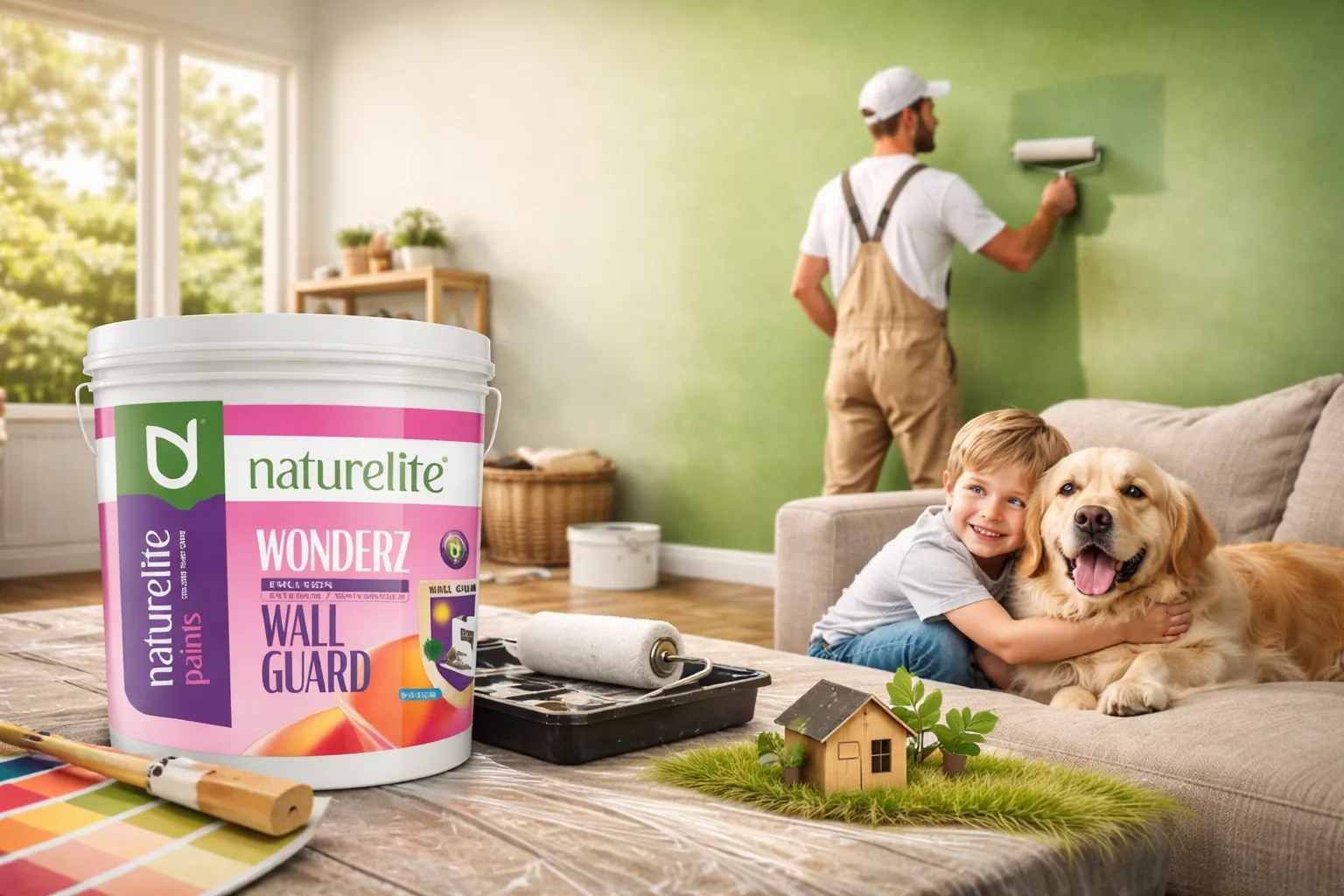
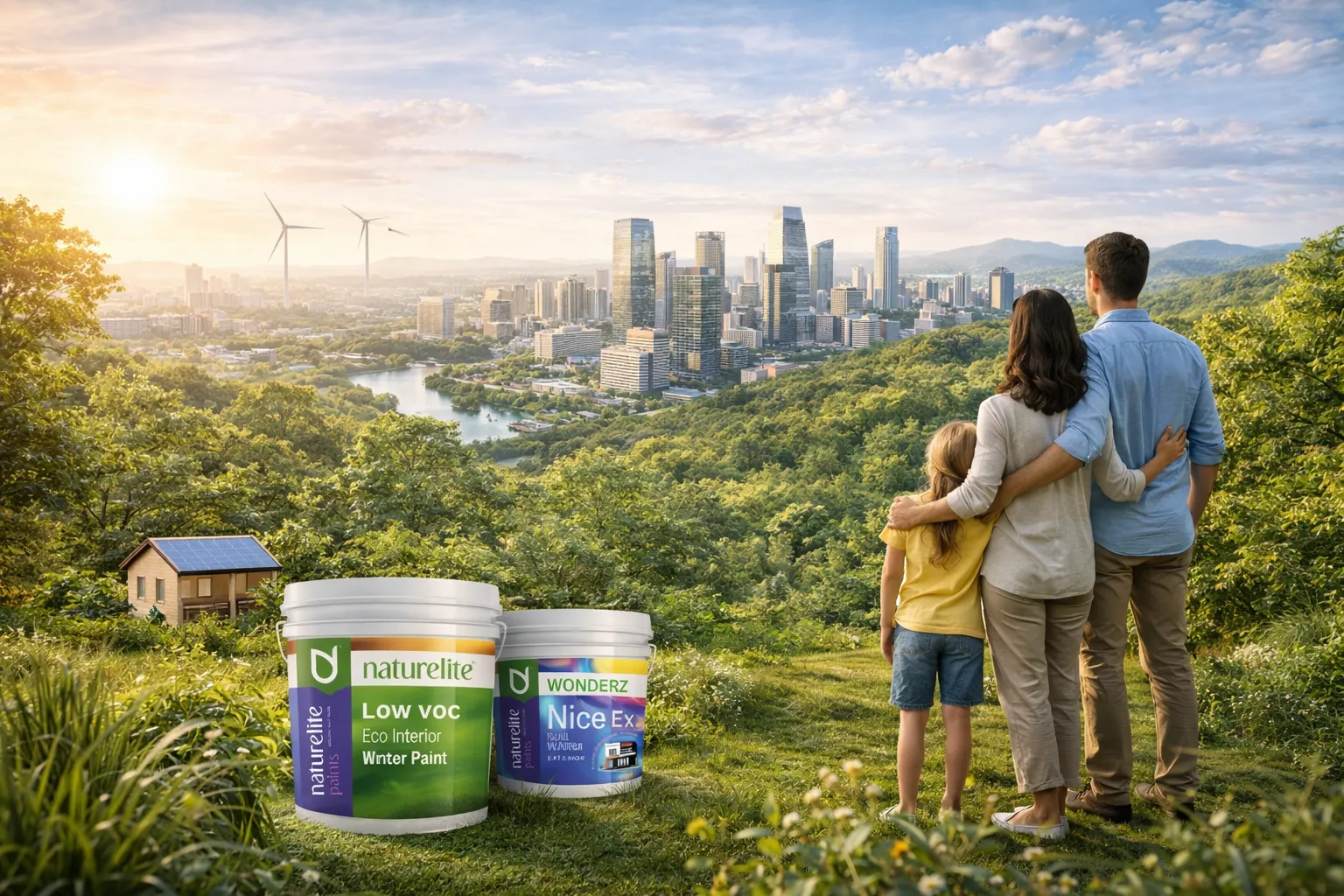
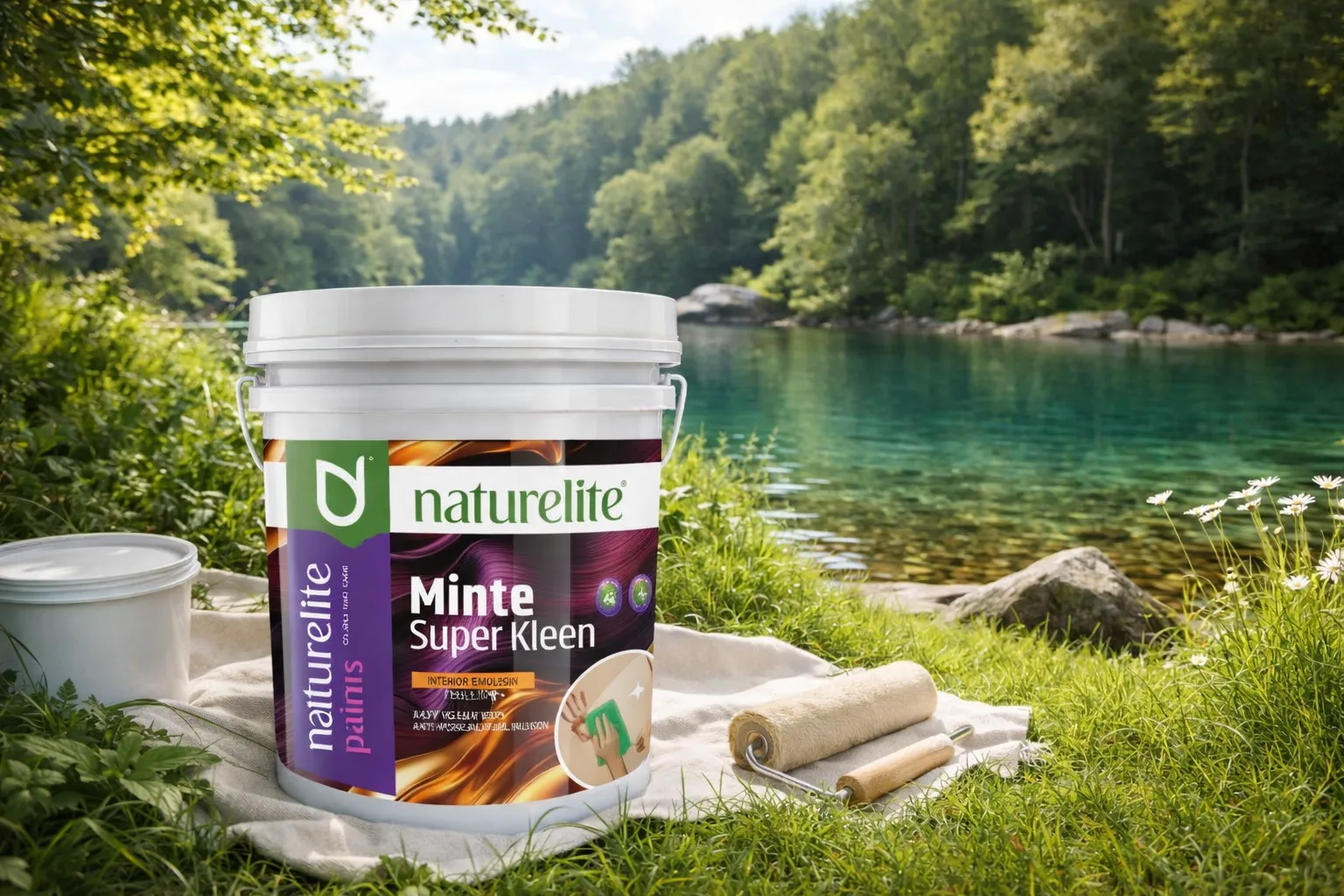
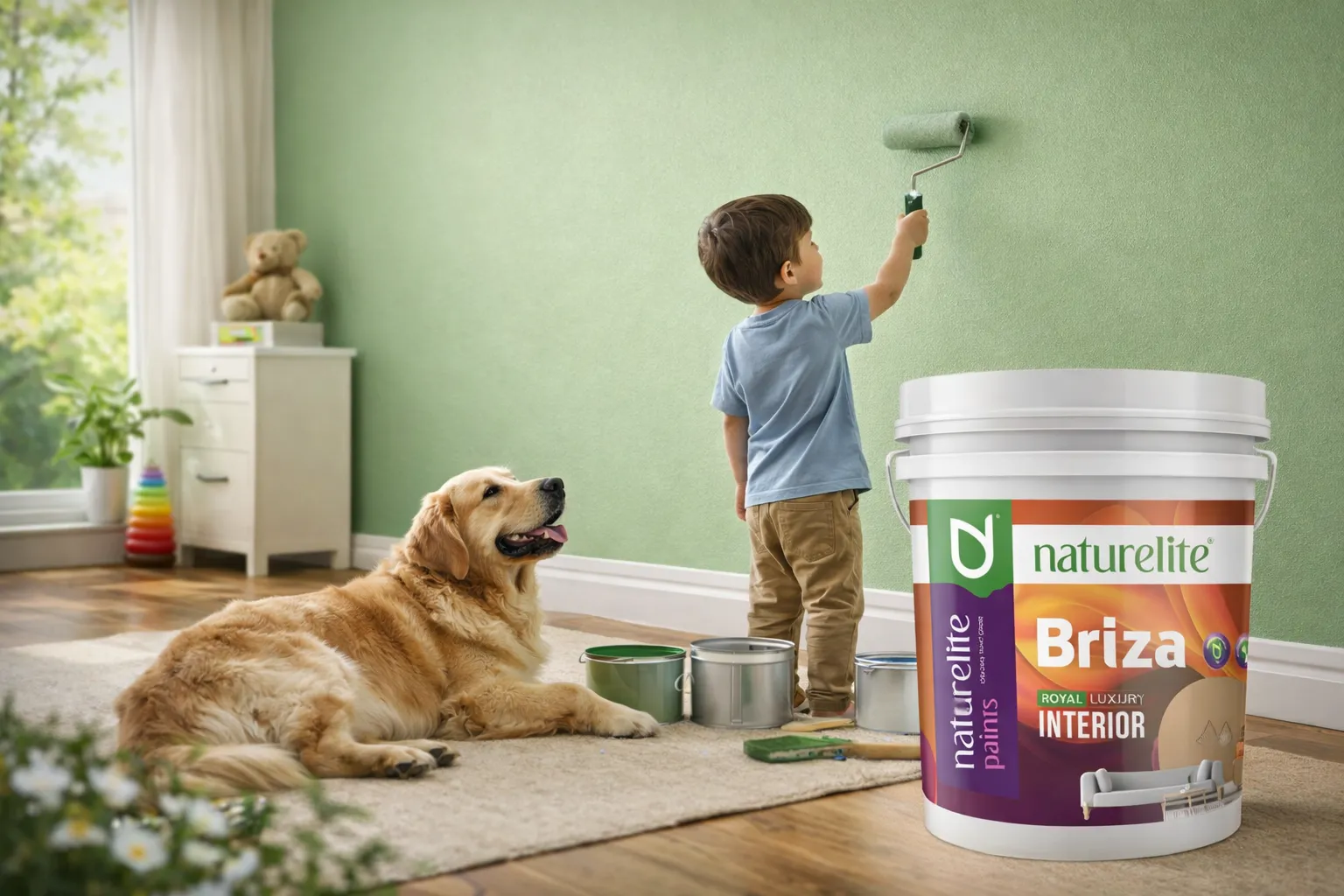
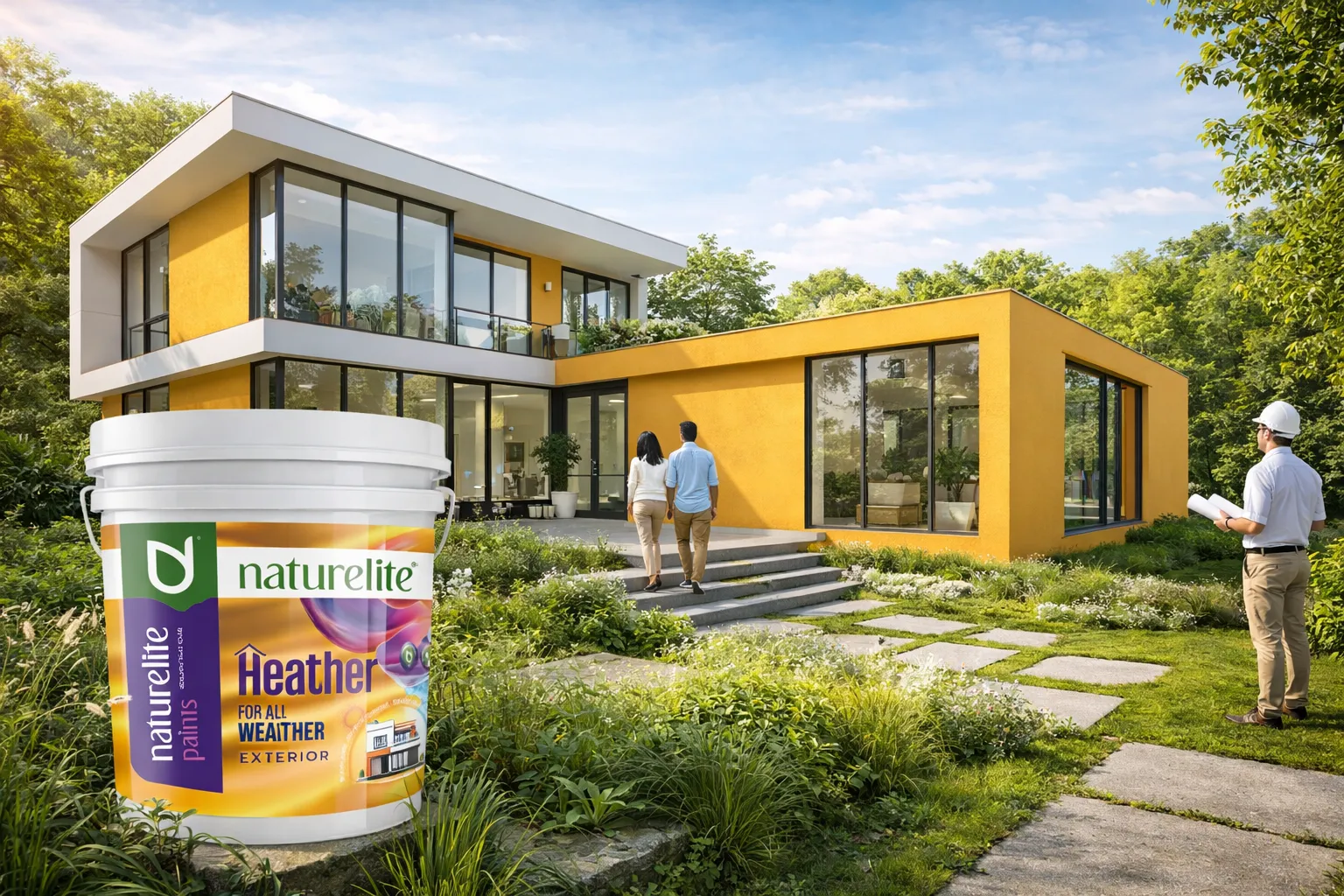
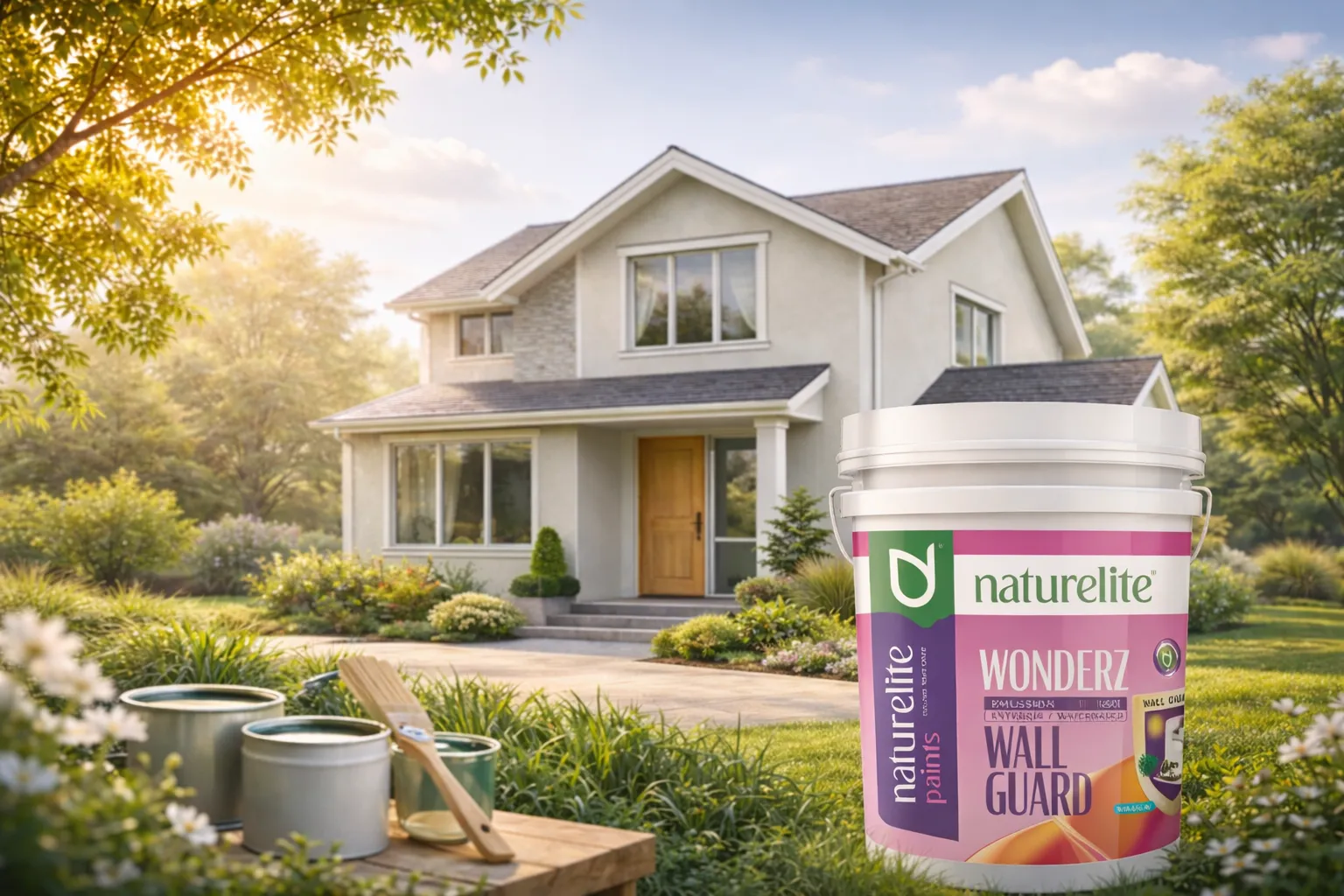
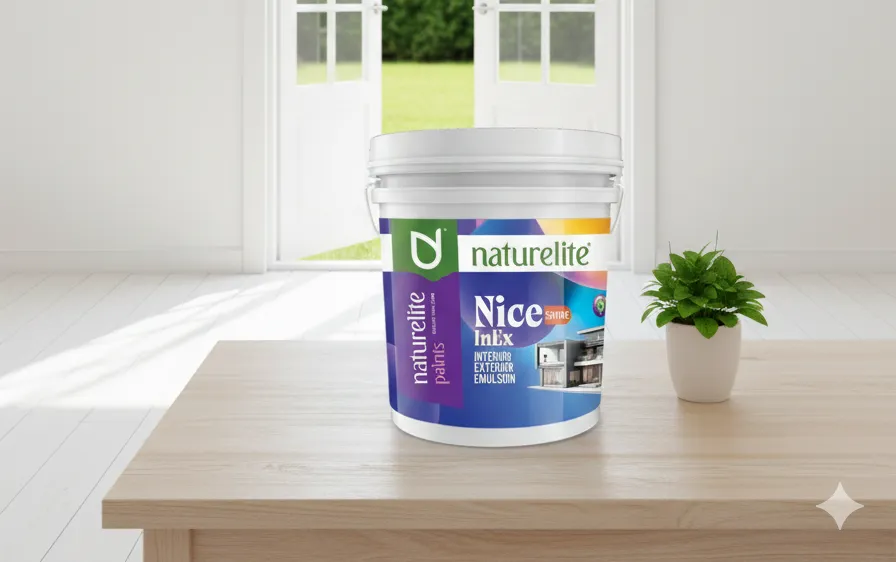
Naturelite Paints is committed to supporting architects, builders, and developers with advanced sustainable coating technologies designed for modern construction. By offering low VOC formulations, durable finishes, and environmentally responsible solutions, Naturelite helps create buildings that are healthier, more efficient, and better aligned with sustainability goals.
For architects seeking to balance design excellence, occupant wellness, and environmental responsibility, sustainable paint solutions provide a smart and future-ready choice. Their ability to enhance indoor air quality, support green certifications, and deliver long-term performance makes them an essential component of modern architectural practice.